

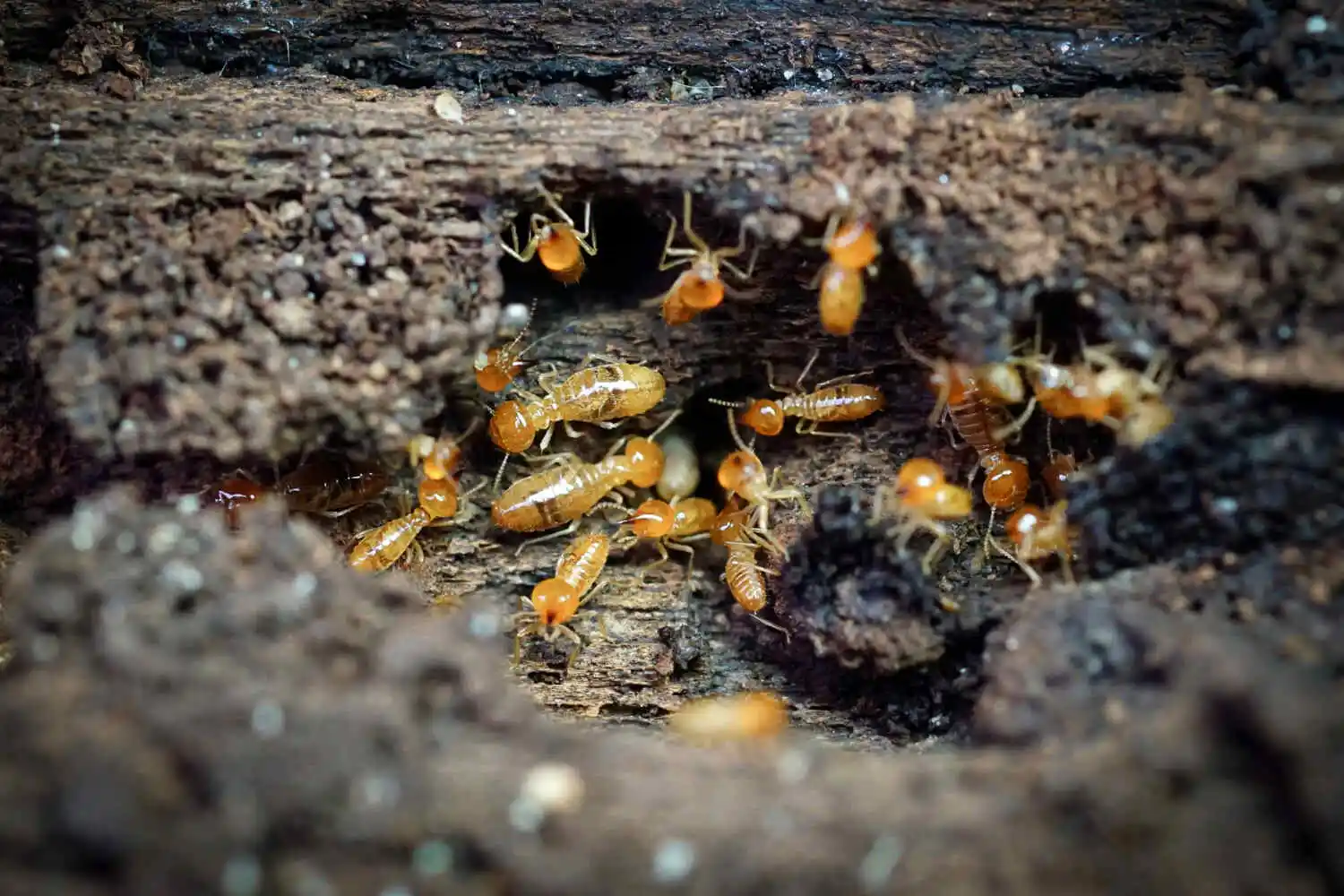
An annual termite inspection is a once-a-year check of your home for termite activity, the conditions that invite it and any damage already done. Think of it as a yearly checkup for your house: quick, routine and a lot easier than finding a problem after it has had years to grow. In the Midlands, the climate keeps termite colonies active for most of the year, so that yearly look matters more here than it does in colder places. And at Modern Exterminating, termite inspections are free. Here is what the visit covers, what the inspector looks for and what happens next.
Why South Carolina Homes Need a Yearly Termite Inspection
South Carolina sits in a high-risk zone for termites. Subterranean termites are the dominant species here. They need contact with the soil and build mud tubes to travel up to the wood in your home. Formosan termites are also active in the state and form larger, more aggressive colonies. Clemson Cooperative Extension lists Lexington County among the South Carolina counties where Formosan termites are established.
The tricky part is that termite damage happens out of sight, inside walls, floors and crawl space framing. By the time you notice something, the colony has usually been at work for a while. That is why an annual termite inspection is the minimum we recommend, and homes with crawl spaces call for more frequent monitoring. The same goes whether you live in Forest Acres, Irmo or Elgin. If you are near our Lexington office, our page on termite control in Lexington covers local service.
What to Expect: A Termite Inspection Step by Step
So what happens during a termite inspection? The visit follows a clear order, and nothing about it should feel mysterious.
- Foundation and exterior. The inspector works around the outside of the home, checking the foundation walls and spots where wood sits close to the soil.
- Crawl space. If your home has one, this is where much of the important work happens. Piers and wooden beams are checked for mud tubes and damage, and the space is checked for moisture.
- Areas showing activity. Any spot where you or the inspector has noticed signs gets a closer look.
- Identify and map. If termites are present, the inspector identifies the species and maps where they are getting in.
- Explain the findings. Before any work is discussed, you get a plain explanation of what was found and what it means.
Those five steps are the termite inspection checklist your inspector works through. If you already have termite bait stations around the house, the annual visit also includes a check of those stations (more on that below). It is a practical walk-through, not a sales pitch.
What Do Termite Inspectors Look For?
Inspectors are trained to spot small clues that are easy to miss. The main ones are:
- Mud tubes. Pencil-width tunnels on foundation walls, crawl space piers or wooden beams. They are the clearest sign of subterranean termite activity.
- Discarded wings. Small piles near windowsills, door frames or porches can mean a swarm happened nearby.
- Hollow-sounding wood. Termites hollow out wood while leaving the surface intact, so damaged wood can sound hollow when tapped.
- Blistering paint. Moisture from termite tunnels can make paint bubble. If the area is otherwise dry, that blistering is not water damage.
Beyond the termites themselves, the inspector also notes the conditions that make a home attractive to them, especially moisture and wood-to-soil contact. For a closer look at each warning sign and what to do if you spot one, see our guide to the signs of termites.
Why the Inspector Checks Your Crawl Space for Moisture
In the Midlands, termite risk depends largely on two things: moisture and wood-to-soil contact. A damp crawl space with wood close to the ground checks both boxes. That is why the inspector pays attention to things like:
- Moisture and drainage problems in the crawl space
- Leaky gutters or outdoor faucets
- Blocked crawl space vents
- Firewood or mulch piled against the foundation
If the inspector finds a moisture problem, Modern can help fix it. Our moisture control service includes vapor barrier installation, dehumidifiers, sump pump installation, and sealing vents and other openings. A drier crawl space is a less welcoming one for termites.
Annual Inspections for Homes With Termite Bait Stations
If termite bait stations are already installed around your home, your annual visit has an extra job. Protection does not end on the day the stations go in. The stations are monitored over time, and ongoing monitoring and inspections are part of the plan.
Customers in Columbia, Lexington and Elgin often ask what the yearly station check involves. In short, the technician checks your stations during the same visit as the inspection of the home, so you get a current picture of both. Every Modern technician holds bait-station certification, and if a station shows activity, you will hear what was found and what comes next before any further work is discussed.
What Happens After the Inspection
If nothing is found, that is the result you want. Stay on your annual schedule (or a more frequent one for crawl space homes) and keep an eye out for the signs above between visits.
If activity is found, the next step is a plan built for your property and the species involved. That may mean bait stations, a liquid treatment that creates a treated zone in the soil around the foundation, or a combination of both. Treatment is followed by ongoing monitoring and inspections, because the goal is long-term protection, not a one-time fix. You can read more on our termite control page.
Many homeowners like to keep termite protection in one simple plan. Our ModernCare plans Plus and Complete both include a termite monitoring system and bond alongside core insect protection.
Frequently Asked Questions
How long does a termite inspection take?
It depends on the size of your home and property. A larger home, or one with a crawl space, simply has more ground to cover. When you book, we explain what to expect, give you an arrival window and call when we are on the way.
Do I need to be home for a termite inspection?
No, termite inspections do not require you to be home. What matters is that the inspector can reach the outside of the house and the crawl space, so make sure gates are unlocked and the crawl space entrance is easy to get to.
Do termite inspectors go in every room?
Not necessarily. The focus is on where termites are most likely to show up: the foundation, the crawl space and any area showing signs of activity. If you have noticed something in a particular room, mention it and it will get a closer look.
Is an annual termite inspection the same as a CL-100?
No. A CL-100 report is South Carolina’s Wood Destroying Insect Report, typically required to close a home sale and commonly requested by lenders and closing attorneys. An annual inspection is ongoing protection for the home you already live in.
When is the best time for an annual termite inspection?
Before spring. Termite activity surges every spring and summer in the Midlands, and Clemson Cooperative Extension notes that native subterranean termites usually swarm in early spring. Booking in late winter means any problem is found before swarm season gets going.
If it has been a while since your last annual termite inspection, the weeks before spring swarm season are a great time to book, and at Modern Exterminating termite inspections are free. We have been a local, family-owned company since 1955. Learn more about our termite control service, or request a free estimate today.