
Estimated reading time: 5 to 6 minutes.
In This Blog:
- Mosquito season in Columbia is expected to start earlier in March and last longer into fall in 2026, driven by warmer spring temperatures.
- Columbia’s heat, wetlands, stormwater systems, and flood-prone areas create strong conditions for mosquito breeding across the region.
- Homeowners may notice earlier biting, stronger mosquito surges after rain, more daytime activity, and a longer window for West Nile risk.
- Early prevention matters most, and combining yard maintenance with professional mosquito treatments helps protect your outdoor space all season.
Modern Exterminating Co Inc serves Columbia-area homeowners with mosquito control services, and this spring, our team is already fielding more calls about mosquitoes than usual.
That tracks with what health officials are seeing statewide.
Recent reporting from The State newspaper, based on an interview with the South Carolina Department of Public Health, notes that mosquito season in South Carolina is expected to start earlier in March and last longer into the fall this year, mainly driven by warmer-than-normal spring temperatures.
For Columbia, SC, residents, that extended window is something worth preparing for now rather than later.
Why Columbia Will be a Mosquito Hot Spot
Columbia is in an area where mosquito season is more intense than in many other parts of the state. The metro area functions as an urban heat island, raising local temperatures and pushing mosquito activity earlier into spring and later into fall.
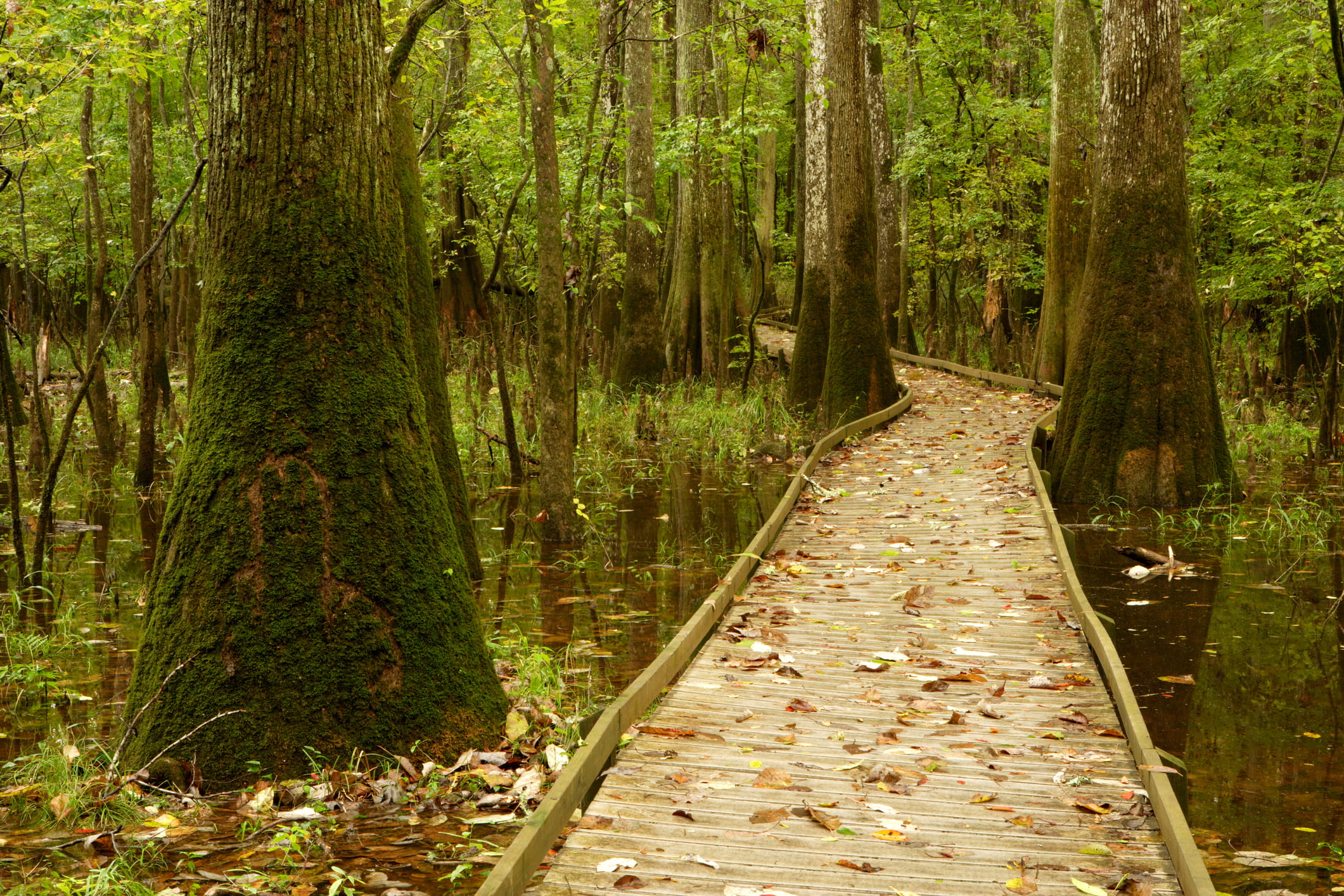
The Congaree National Park and surrounding wetlands also support large mosquito populations throughout the Midlands, and any significant flood event can spike those numbers for weeks.
Columbia's urban stormwater infrastructure, including catch basins and drainage culverts throughout neighborhoods, also gives mosquitoes stable breeding grounds close to where people live.
Public Mosquito Programs in Columbia
The City of Columbia and Richland County Vector Control both run mosquito reduction programs and respond to mosquito complaints at (803) 576-2459. Those services focus on public areas and neighborhood-wide issues, not the shaded beds, standing water, and outdoor living spaces in your own yard—where you actually spend your time.
What You May Notice More This Mosquito Season
A longer season does not guarantee more mosquitoes everywhere, but it does change how and when you feel them. Instead of one short, intense stretch, you may see certain patterns show up more often and stick around longer.
None of these are reasons to stay inside, but they are good reasons to act before the season peaks rather than after.
Here are a few things you’ll notice over the 2026 mosquito season:
More Biting, Starting Earlier
Female mosquitoes need a blood meal before they lay eggs. A longer warm season means more breeding cycles and more biting activity from early spring through late fall, well outside the July and August peak most people expect.
More Activity After Rain
Heavy rainfall creates pools of standing water that rapidly expand mosquito populations. In a season already expected to run long and warm, the combination of post-rain breeding surges and slow-drying areas around your yard adds up quickly.
An Extended West Nile Window
West Nile virus is the most commonly reported mosquito-borne illness in SC, and warmer temperatures accelerate virus replication in mosquitoes. Richland County saw a notable West Nile spike in 2022 with six confirmed human cases in the Columbia area. A longer season means a longer window for that kind of activity.
New for this year, the South Carolina Department of Public Health has released a statewide Mosquito-Borne Disease Dashboard so residents can track trends for West Nile and other mosquito-borne illnesses across the state.
More Daytime Biting
The Asian tiger mosquito, common throughout South Carolina, bites aggressively during the day, not just at dusk. As the season extends, daytime outdoor activity becomes a greater factor than it used to be.
Simple Steps You Can Take for Mosquito Prevention
Professional mosquito control in Columbia will give you the most consistent, season-long results, but there are many steps you can take between visits to reduce mosquito pressure around your home.
A few simple habits make a noticeable difference:
- Walk your yard after rain and empty anything holding water, including flower pot saucers, low spots in tarps, clogged gutters, and birdbaths. Mosquitoes only need a small amount of standing water to breed, so clearing these spots regularly is the single most powerful step you can take.
- Keep vegetation trimmed, especially in shaded areas near the house. Adult mosquitoes rest in cool, sheltered spots during the heat of the day, and dense shrubs or overgrown fence lines give them exactly what they are looking for.
- When you are spending time outside, use an EPA-registered repellent. Products with DEET, Picaridin, or Oil of Lemon Eucalyptus offer reliable protection for evening cookouts, kids’ playtime, and other peak mosquito hours.
To maintain a usable yard from early spring through late fall, especially when the season is extended, it's essential to have a combination of DIY control methods and professional pest management.
Call Modern Exterminating Co Inc for Professional Mosquito Treatments
Some yards need more than DIY steps right from the start. If you back up to the woods, sit near a drainage ditch, or have low spots that stay wet after rain, basic prevention helps, but it misses the main breeding sources.
Modern Exterminating Co Inc's seasonal treatments hit exactly where mosquitoes breed and rest on your property, not just deliver a quick perimeter spray. With our same-day service, you don't have to wait while the problem builds.
Our Mosquito Reduction Program has covered Columbia from April through October for years. Technicians know the local drainage patterns, property types, and neighborhoods that make this season tougher. That experience keeps you ahead when mosquito activity stretches longer than usual, and customers love us for it.
Reach out online or call (803) 205-2744 to request mosquito treatment services in Columbia, Lexington, Aiken, and the surrounding area.